
Unlock Insights with Lofty CRM Reporting & Analytics for Real Estate
Unlock clearer insights with Lofty CRM reporting & analytics for real estate

In a competitive market, Lofty CRM delivers clear, actionable reporting and analytics so real estate professionals can track performance, improve lead conversion, and sharpen marketing. This article walks through the platform’s core metrics, how reporting links to marketing, and the advanced analytics that support smarter decisions.
Research shows robust CRM systems can produce meaningful returns and measurable productivity gains for real estate teams.
CRM & Digital Tech for Real Estate Lead Conversion & Productivity The real estate sector is moving through a fast digital transformation that’s reshaping sales approaches and client relationships. This paper examines how top-performing brokerages deploy digital tools—especially Customer Relationship Management (CRM) systems—to improve lead conversion and build customer loyalty. Using a systematic literature review and secondary market data, the study evaluates the benefits, challenges, and performance measures tied to technology adoption. The findings show CRM implementation can deliver ROI exceeding 200% and boost productivity by more than 30%, yet adoption failure rates often top 60% due to issues like poor usability, resistance to change, and a lack of user-centered design. INNOVATION IN REAL ESTATE SALES STRATEGIES: A STUDY ON THE ADOPTION OF DIGITAL TECHNOLOGIES AND CRM, 2025
What key realtor performance metrics does Lofty CRM measure?

Lofty CRM tracks core metrics that reveal strengths and gaps across the sales process. The most important measures are:
First Response Time: How quickly a new lead is contacted.
Lead Source CPA & Conversion: Cost-per-acquisition and conversion rates by source or channel.
Pipeline Velocity: The speed at which leads move through sales stages.
Engagement Metrics: Open rates, follow-up activity, and interaction frequency.
These KPIs help teams prioritize fixes and measure progress over time.
How does Lofty CRM track lead conversion rates and sales volume?
Lofty CRM combines defined KPIs, attribution, and continuous monitoring to reveal which tactics drive conversions and sales. Key components include:
KPIs: Standard conversion and volume measures to track outcomes.
Attribution: Identification of the campaigns and channels producing results.
Monitoring & Adjustments: Ongoing measurement that lets teams refine tactics in real time.
With these elements, agents can prioritize spend and effort toward the most effective channels.
Everett Marketing Agency helps small and mid-size businesses implement CRM reporting and analytics solutions like Lofty CRM. EMA also connects your Lofty account to Google Search Console and Google Analytics to enhance your data insights and marketing effectiveness.
Which agent productivity KPIs influence real estate marketing strategies?
Agent activity metrics show which marketing tactics are worth scaling. Important productivity KPIs include:
Call Volume: The frequency of outreach tied to lead follow-up.
Website Clicks: Engagement and interest on listings and landing pages.
Engagement Rate: How often agents interact with prospects and move opportunities forward.
Tracking these KPIs aligns marketing efforts with actual agent behavior and outcomes.
How does Lofty CRM reporting integrate with real estate marketing strategies?
Lofty CRM links reporting to marketing workflows so teams can centralize contacts, automate outreach, and keep client communication consistent.
Centralizing Contacts: A single source of truth for lead data.
Automating Outreach: Scheduled emails and follow-ups to reduce missed opportunities.
Improving Client Communication: Tools that help maintain clear, consistent messaging.
That integration cuts manual work and increases campaign efficiency.
What role does CRM data visualization play in property management analytics?
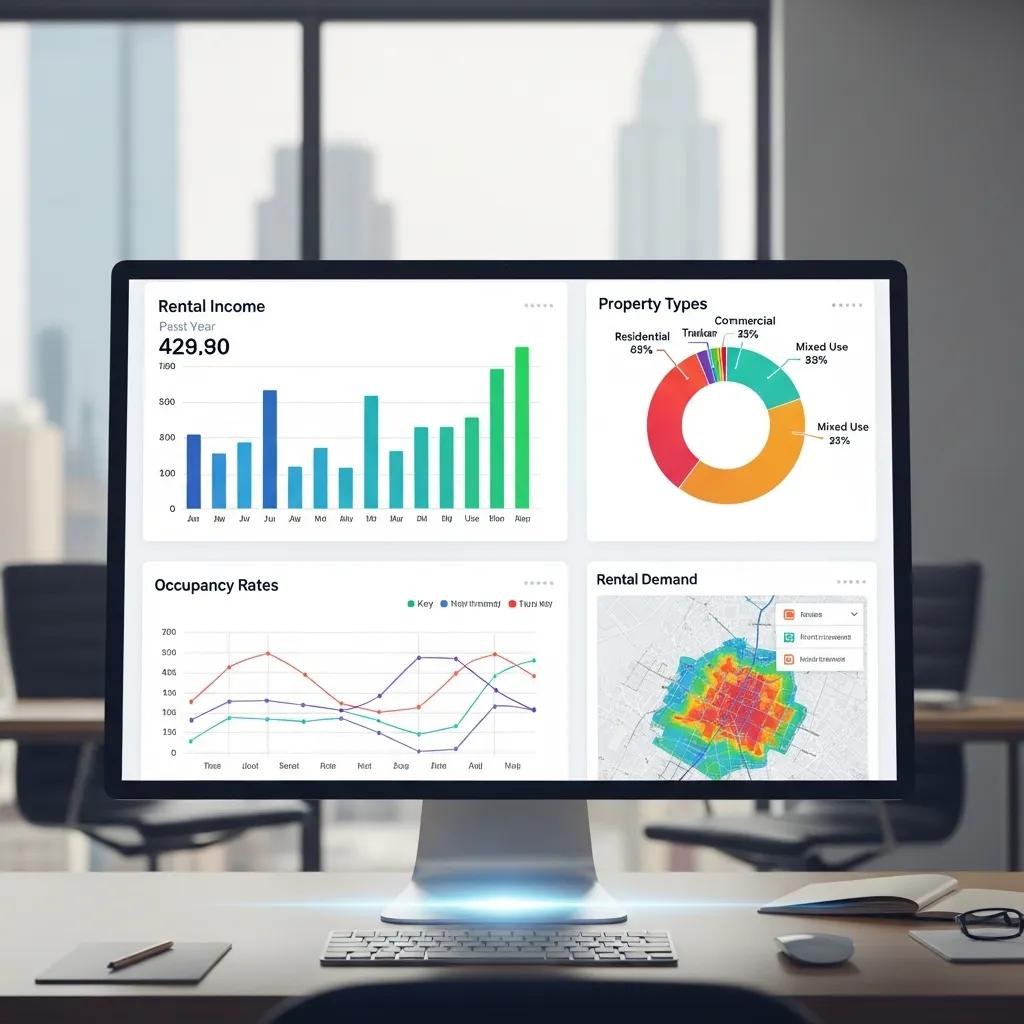
Dashboards turn complex CRM data into clear charts that surface trends and action items for property management.
Identifying Bottlenecks: Pinpoint stages where leads stall or drop off.
Optimizing Resource Allocation: Direct people and budget where they matter most.
Improving Conversion Rates: Visual cues help teams make timely adjustments.
Clear visuals speed decision-making and help prioritize work that drives the best outcomes.
How can realtors use Lofty CRM dashboards to improve sales tracking?
Dashboards provide a consolidated view of activity, tasks, and goal progress so agents can act quickly.
Task & Lead Management: Monitor actions, open opportunities, and next steps.
Customization: Focus dashboards on the metrics that matter most to your team.
Goal Setting & Tracking: Define targets and measure performance against them.
Custom dashboards keep teams focused, organized, and accountable.
What are real success stories showing Lofty CRM’s impact on realtors?
Case studies highlight measurable improvements after Lofty CRM adoption:
Conversion Increases: Clear lifts in lead-to-client conversion rates.
Intent-Based Marketing: Campaigns aligned to buyer signals drive higher engagement.
Operational Improvements: Examples of streamlined workflows and increased sales.
Targeted reporting and analytics consistently help realtors perform better.
How do Lofty CRM analytics enhance marketing ROI for real estate agencies?
Analytics enable smarter budgeting and campaign decisions by revealing high-value segments and channels.
Lead Scoring: Prioritize the leads most likely to convert.
Automation: Cut manual tasks and boost efficiency.
Market Insights: Use trend data to adapt strategy proactively.
These capabilities help agencies focus resources where they deliver the strongest return.
What advanced analytics features does Lofty CRM offer for real estate professionals?
Lofty CRM includes tools that provide deeper insight into leads, agent performance, and listing visibility.
Lead Scoring Capabilities: Rank leads by likelihood to convert.
Data Analytics for Performance Tracking: Monitor trends and outcomes over time.
Integration with IDX: Increase listing exposure and improve lead capture.
These features make data-driven optimization practical for busy agents.
How does AI-driven CRM analytics improve realtor performance insights?
AI sharpens insights by detecting patterns and predicting lead value, so agents can focus where impact will be highest.
Lead Scoring: Machine learning refines the signals that predict conversion.
Market Trends & Buyer Behavior: Early indicators help inform strategic shifts.
Data-Driven Decisions: Faster, evidence-based choices across operations.
AI-driven tools complement human judgment and speed up decision-making.
Research also shows that adding artificial intelligence to CRM systems improves sales efficiency and lead-scoring accuracy.
AI-Powered CRM for Enhanced Sales Efficiency & Lead Scoring The integration of artificial intelligence (AI) into Customer Relationship Management (CRM) systems has changed how organizations run sales pipelines, predict customer behaviour, and measure workforce effectiveness. This paper examines AI-based CRM solutions with a focus on predictive analytics as a driver of salesforce efficiency. Traditional CRM models have been limited by data silos, manual reporting, and weak forecasting. AI-powered tools leverage machine learning, natural language processing, and real-time data to automate lead scoring, improve sales forecasts, and personalize customer engagement strategies. AI-Driven Customer Relationship Management: Enhancing Salesforce Efficiency Through Predictive Analytics, N Al Kalach, 2025
What are the benefits of integrating Lofty CRM with marketing automation tools?
Connecting CRM with marketing automation keeps leads moving, automates routine touches, and enables more targeted campaigns.
Improved Lead Management: Consistent nurture workflows that reduce dropped leads.
Increased Sales & Retention: Better follow-up and ongoing relationship management.
Higher Conversion Rates: More relevant, timely outreach that converts.
Together, these systems let teams scale outreach without losing personalization.
Frequently Asked Questions
What types of data can Lofty CRM analyze for real estate agents?
Lofty CRM aggregates lead demographics, engagement metrics, sales performance, and campaign results to surface behaviors and trends that improve strategy and conversion.
How does Lofty CRM support mobile access for real estate agents?
Built for mobile, Lofty CRM lets agents manage leads, check metrics, and message clients from phones or tablets via quick, focused interfaces.
Can Lofty CRM integrate with other software tools used by real estate professionals?
Yes. Lofty CRM connects with email platforms, social tools, listing services, and other common systems to sync data and reduce duplicate work.
What training resources are available for new users of Lofty CRM?
Lofty CRM offers video tutorials, step-by-step guides, webinars, and optional one-on-one support to speed onboarding and build user confidence.
How does Lofty CRM ensure data security for real estate professionals?
Lofty CRM protects data with encryption, secure authentication, and regular audits, and it follows industry privacy standards to safeguard client information.
What customization options are available in Lofty CRM for real estate agents?
Agents can customize dashboards, create custom fields, and build tailored reports so the platform maps to their workflows.
Conclusion
Lofty CRM reporting and analytics give real estate professionals focused metrics and practical tools to improve conversion, productivity, and marketing ROI. By tracking core KPIs and using visualization and automation, teams can make faster, more informed decisions that drive measurable results.


